 Wildscape Sri Lanka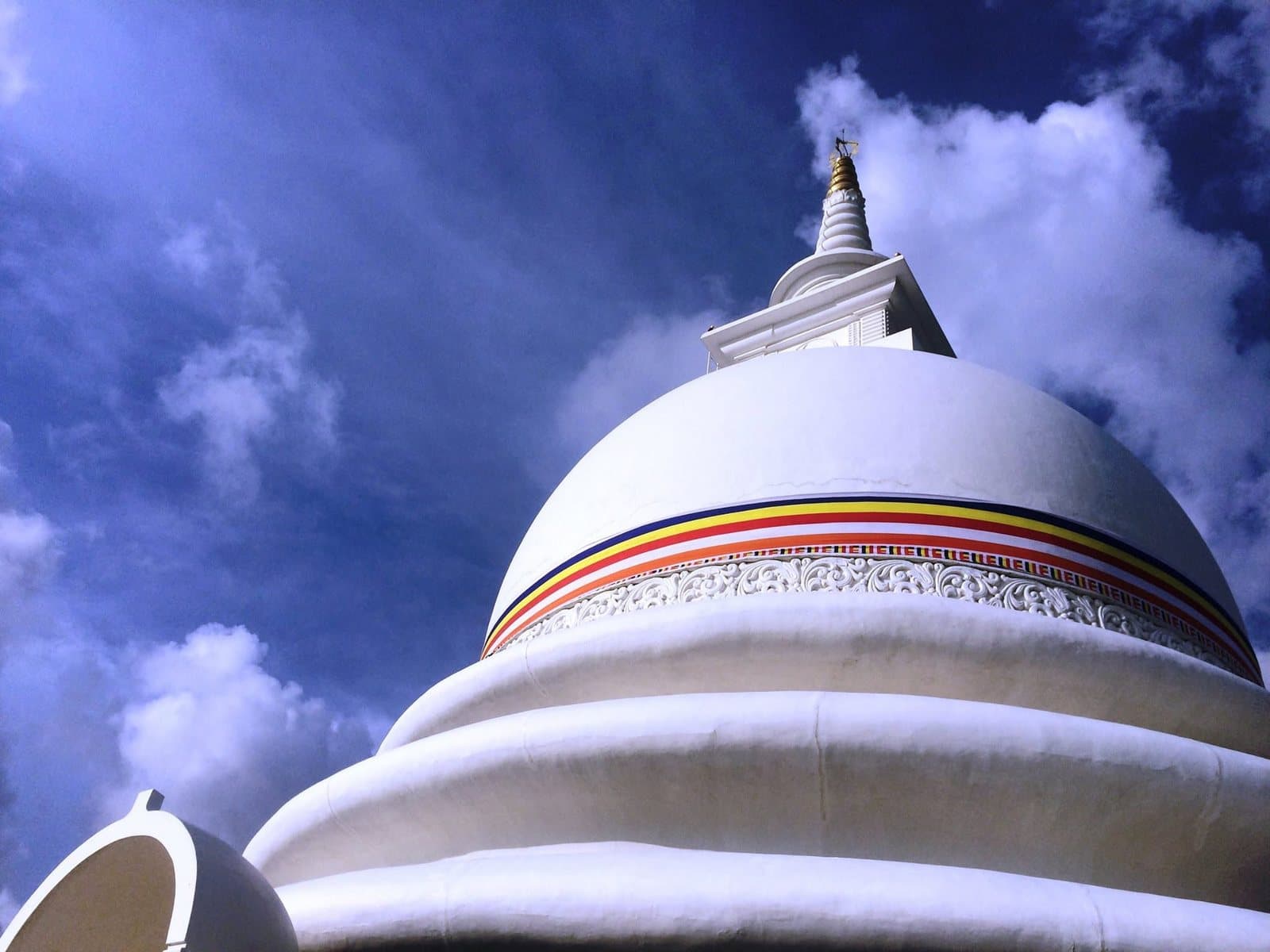
Cultural & Heritage Tours
Explore the Heart of Sri Lanka's History & Culture
Ancient temples, grand palaces, and UNESCO World Heritage Sites — including Sigiriya and the sacred city of Kandy.
Sri Lanka's recorded history runs back more than 2,500 years, and a cultural journey here can move between ancient capitals, sacred Buddhist sites, colonial-era port towns, and villages where daily life still follows old rhythms. It's less a checklist of ruins than a way of reading the island — each region layering a different chapter of the same long story. A tailor-made itinerary can lean toward archaeology, architecture, living traditions, food, or all four, paced to how much time you have.
What Cultural Travel Here Looks Like
Why Travel Cultural Sri Lanka?
- Ancient Kingdoms & Archaeology
- Three former capitals — Anuradhapura, Polonnaruwa, and the rock fortress of Sigiriya — hold ruins, stupas, and frescoes spanning well over a thousand years.
- Living Buddhist Heritage
- Sacred sites like Kandy's Temple of the Tooth Relic and Dambulla's cave temples remain active places of worship, not just historic monuments.
- Colonial & Coastal Architecture
- Galle Fort and parts of Colombo carry Portuguese, Dutch, and British colonial layers alongside South Asian influence.
- Food, Villages & Local Life
- Cultural travel here can extend beyond monuments — village visits, traditional crafts, and regional food are part of the same story.
Where a Journey Can Take You
Heritage Highlights
The sites below can each be included in a tailor-made cultural itinerary — how many, and in what depth, depends on your time and interests.
Anuradhapura
Sri Lanka's capital for over a thousand years, home to the Sri Maha Bodhi and some of the country's oldest Buddhist shrines. Best explored slowly, often by bicycle.
Polonnaruwa
The medieval capital that followed Anuradhapura — a UNESCO World Heritage Site with the Gal Vihara rock-cut Buddha statues and the ruins of the Royal Palace.
Sigiriya
The 'Lion Rock' — a 5th-century rock fortress with surviving frescoes and a summit reached by a climb that rewards with panoramic views over the surrounding plain.
Dambulla Cave Temple
A complex of cave temples with murals and Buddha statues, including a large reclining Buddha — comfortable shoes help, given the number of steps.
Kandy
Home to the Temple of the Tooth Relic and, when travel dates line up, the Esala Perahera procession — Sri Lanka's cultural heart in the hill country.
Galle Fort
A UNESCO World Heritage Site on the south coast blending Dutch and Portuguese colonial architecture with South Asian influence — cobblestone streets and ocean-view ramparts.
Colombo
Sri Lanka's capital carries its own colonial-era architecture and heritage, and works well as a bookend to a cultural itinerary before departure.
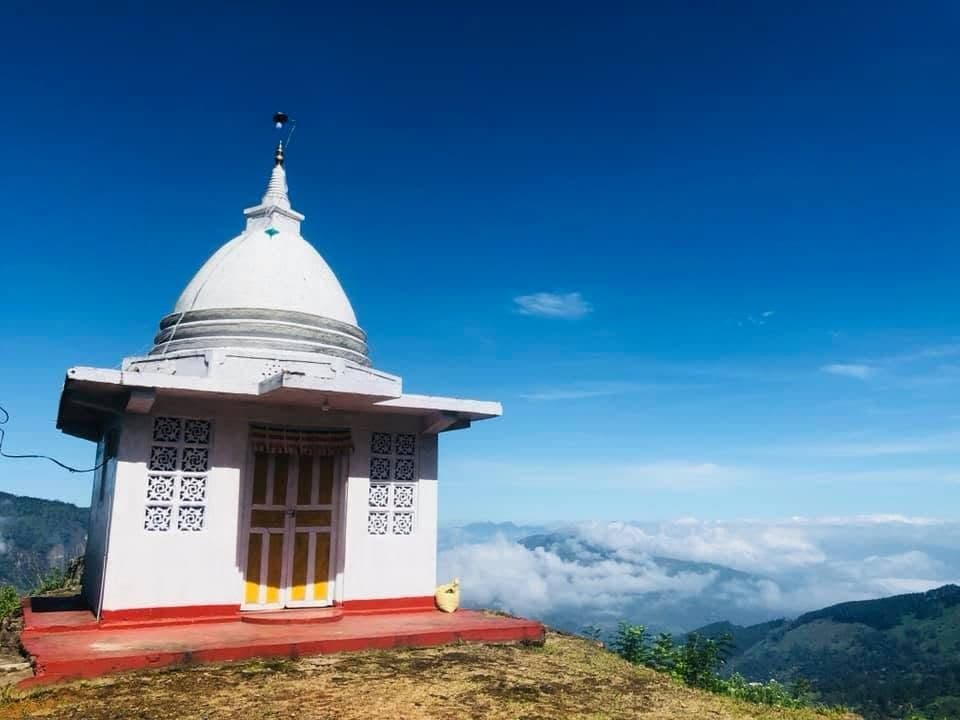
Around 7 Days
Cultural Triangle Discovery
- Sigiriya Rock FortressThe 'Lion Rock' — ancient frescoes and sky gardens on a dramatic rock outcrop.
- Polonnaruwa RuinsWell-preserved ancient palaces and temples from Sri Lanka's medieval capital.
- Sacred AnuradhapuraThe birthplace of Sri Lanka's Buddhist heritage.
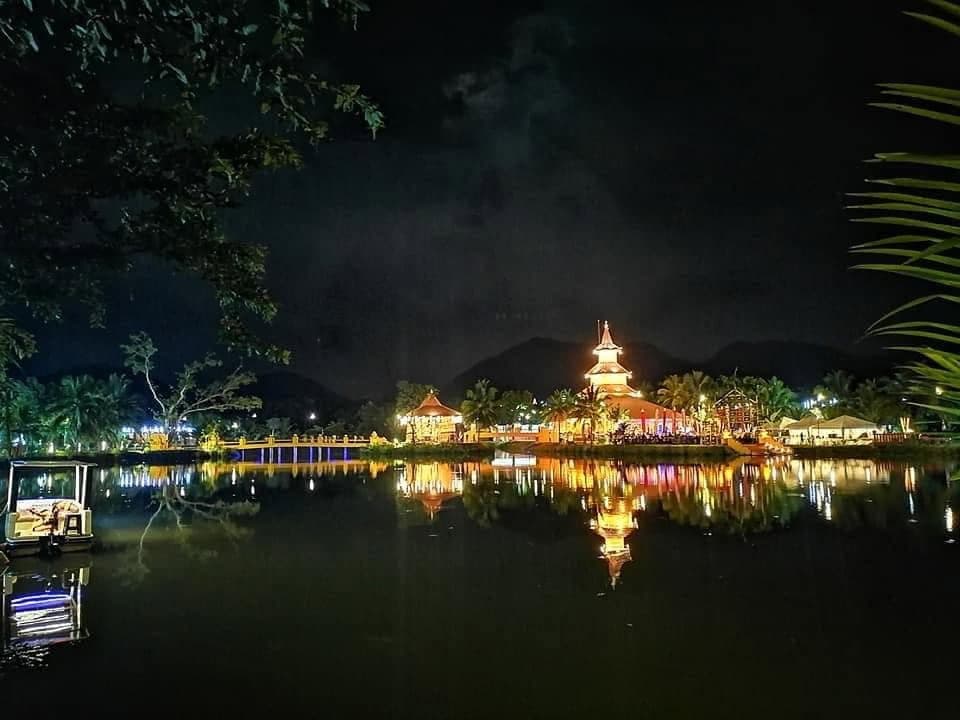
Around 5 Days
Sacred Cities of Sri Lanka
- Temple of the Tooth, KandySri Lanka's most sacred Buddhist shrine, with its own cultural rituals.
- Dambulla Cave TempleAncient murals preserved within a complex of cave temples.
- MihintaleThe hill where Buddhism is traditionally said to have first arrived in Sri Lanka.
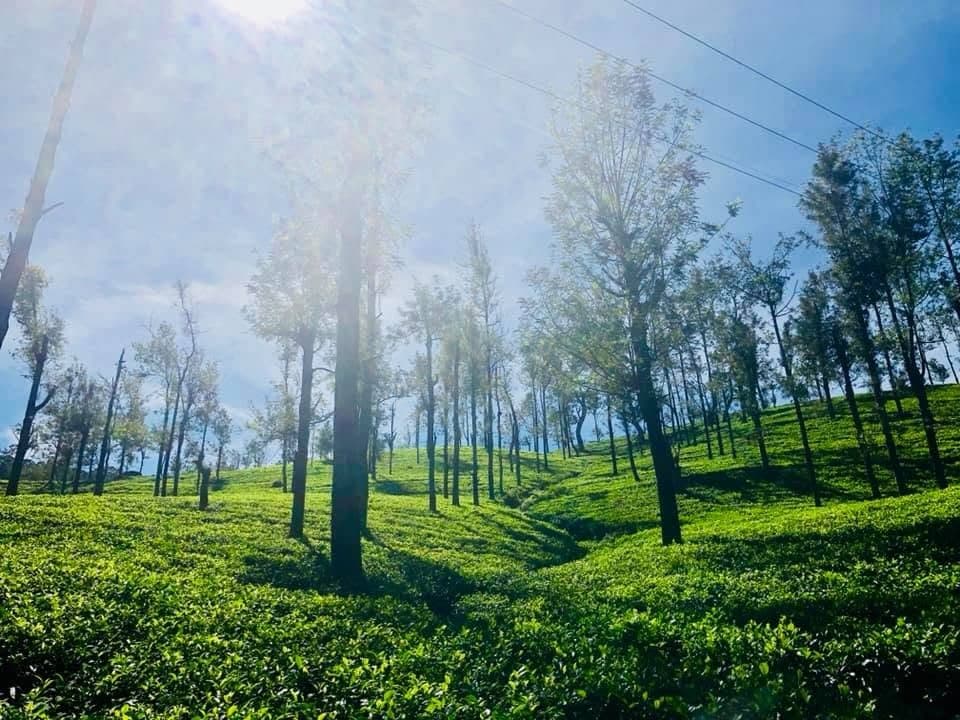
Around 4 Days
Colonial Sri Lanka Heritage
- Galle Dutch FortA UNESCO World Heritage Site blending European and South Asian colonial history.
- Nuwara EliyaHill-country tea plantations and colonial-era architecture.
- Historic ColomboThe colonial-era architecture and heritage of Sri Lanka's capital.
What's Included
Experiences
A cultural itinerary can be built from any combination of the following, matched to your interests.
Ancient Cities & Ruins
Guided time at Anuradhapura, Polonnaruwa, and Sigiriya, with context for what you're actually looking at.
Temple & Sacred-Site Visits
Kandy's Temple of the Tooth, Dambulla's cave temples, and other active places of worship.
Heritage Architecture
Colonial-era streets and buildings in Galle Fort and Colombo.
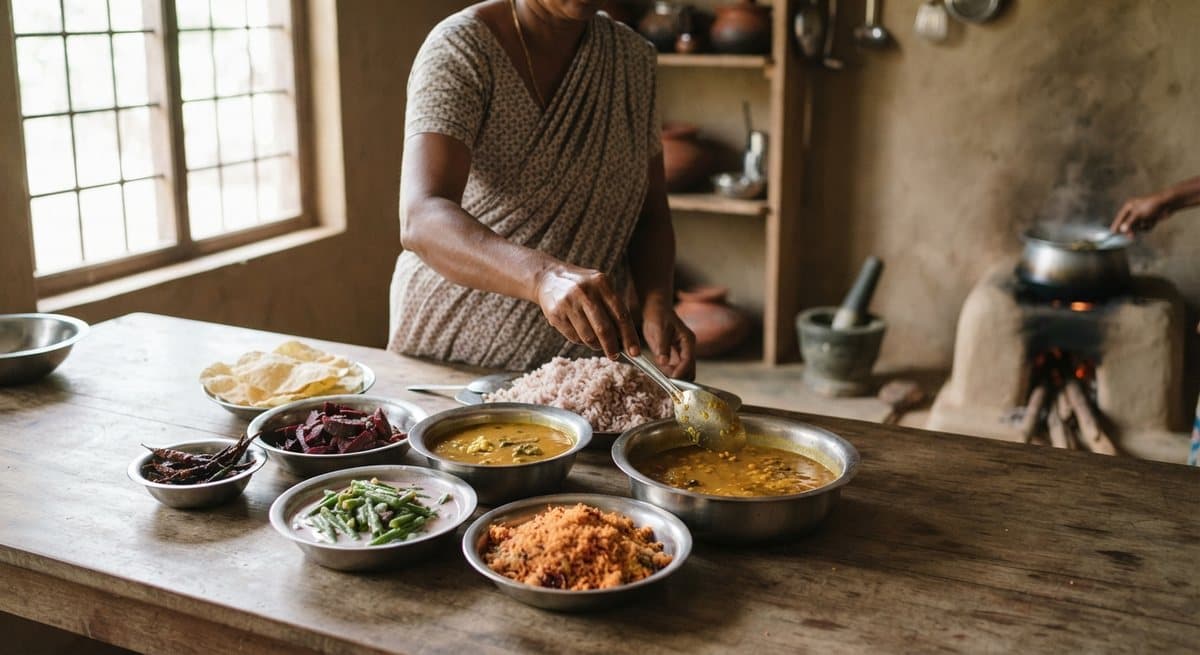
Local Food & Village Life
Time in villages and towns where daily life continues alongside the historic sites.
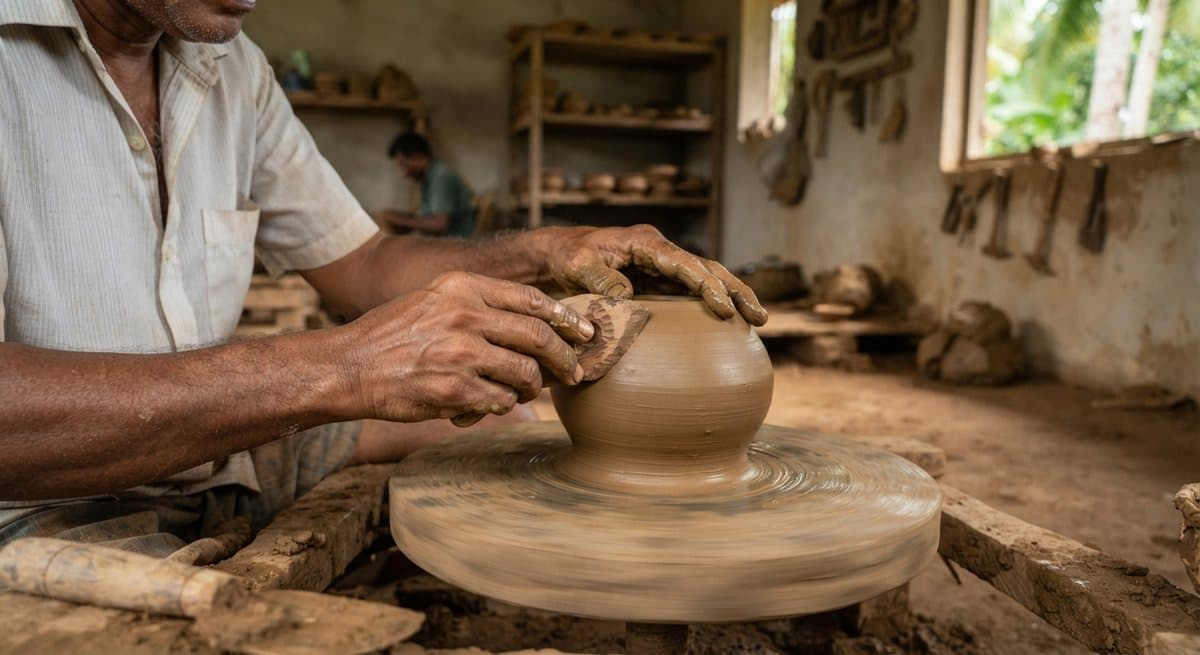
Traditional Culture & Festivals
Where travel dates allow, festivals like the Esala Perahera or Vesak add a community dimension.
Cultural Photography
Itineraries can be paced to allow real time at each site, useful if photography is a priority.
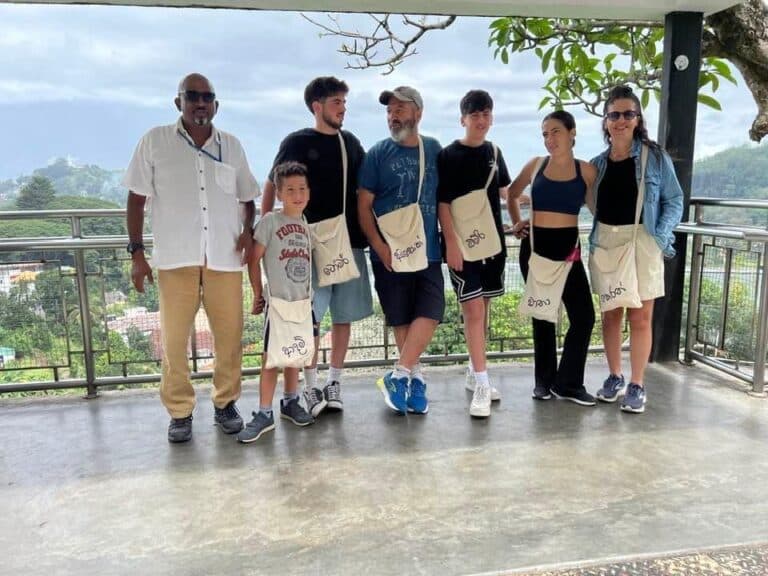
Traveling With a Guide
Local Context, Not Just a Route
A cultural itinerary is guided, not self-driven — the difference shows up in the stories and context a local guide adds at each stop, beyond what a site alone tells you.
One Way to See It
Sample Travel Flow
- Cultural Triangle
- Kandy
- Hill Country
- Galle Fort
One possible route, not a fixed Wildscape package — every itinerary is shaped around your own time and interests.
Suited To
Who Is This For?
First-Time Visitors
A cultural itinerary is a natural way to get an overview of Sri Lanka's history before or alongside other themes.
Couples & Families
Paced to allow slower days at major sites, with village and food experiences worked in.
Travelers Interested in History
Deeper time at fewer sites, with a guide who can add context the ruins alone don't give you.
Photographers
Early starts at Sigiriya and golden-hour time in Galle Fort can be built into the schedule.
Culture + Wildlife or Adventure
Cultural sites combine naturally with a safari leg or outdoor activities — see below.
Combine Your Trip
Combine Culture with Wildlife
Cultural sites and national parks sit close enough together in Sri Lanka that a single trip can reasonably include both — a few days in the Cultural Triangle followed by a safari leg in Yala or Udawalawe is a common shape for a longer itinerary.
Combine Your Trip
Add Adventure to Your Journey
For travelers who want more than sightseeing, hill-country trekking or a rafting stop can be added around a cultural itinerary without turning the trip into two separate holidays.
Before You Go
Practical Information
Temple dress and etiquette
Shoulders and knees are typically expected to be covered when visiting active temples, and shoes (and sometimes hats) are removed before entering. It's customary not to turn your back to a Buddha statue for a photo.
Footwear
Comfortable, easy-to-remove shoes help at sites like Dambulla and Sigiriya, where you'll be walking and climbing steps, sometimes barefoot indoors.
Pace
Cultural itineraries can range from a focused 4-day loop to a slower two-week trip — how many sites you see in depth is a planning choice, not a fixed formula.
Combining with the coast
Galle Fort already sits on the south coast, making it a natural link between a cultural itinerary and beach time at the end of a trip.
For more on the individual sites, see our guide to cultural and historical experiences in Sri Lanka, or read about how many days you might need.
Frequently Asked Questions
How many days do I need for a cultural tour in Sri Lanka?
It depends on how many sites you want to cover in depth — a focused Cultural Triangle loop can work in around 4 days, while a fuller trip taking in Kandy, Dambulla, and the south coast typically runs longer. See our guide on how many days you might need for a full breakdown.
Can cultural tours be combined with wildlife?
Yes — cultural sites and national parks are close enough together that many itineraries combine a Cultural Triangle leg with a safari in Yala or Udawalawe.
Can you create a private tailor-made cultural itinerary?
Yes. Wildscape plans tailor-made trips rather than selling fixed packages — tell us the sites and pace you're interested in and we'll shape an itinerary around it.
Is Sri Lanka suitable for families interested in history and culture?
Sri Lanka's cultural sites are generally accessible to families, though some involve climbing (Sigiriya) or steps (Dambulla). Pace and site selection can be adjusted for children.
Can cultural sites be combined with the beach?
Yes — Galle Fort sits on the south coast, so a cultural itinerary can extend naturally into beach time without a long separate detour.
What should I wear when visiting temples?
Shoulders and knees covered is the general expectation at active temples, and shoes are removed before entering. Lightweight, modest clothing that's also easy to move in works well for the climbing involved at some sites.
Can photography be included in a cultural itinerary?
Yes — itineraries can be paced with photography in mind, including earlier starts at sites like Sigiriya to avoid both crowds and midday light.
Plan Your Cultural Journey
Tell us which sites and eras interest you most, and we'll shape a route around them.