 Wildscape Sri Lanka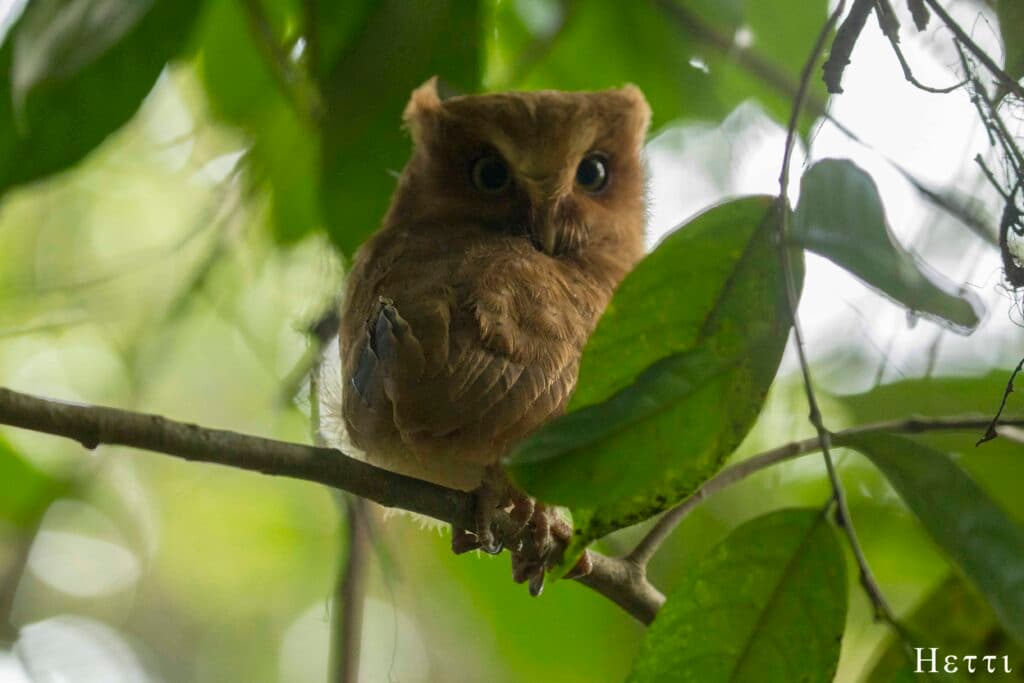
Bird Watching Tours
Bird Watching Tours in Sri Lanka
From a short birding morning added to a wider trip to a focused, photography-minded itinerary — tailor-made across Sri Lanka's forests, wetlands, and parks, and easy to combine with wildlife and culture.
Sri Lanka packs a striking range of habitat into a small island — wet-zone rainforest, dry-zone scrub and grassland, montane cloud forest, and coastal wetlands all within a few hours of each other. That range is what makes birding here genuinely rewarding: resident endemics found nowhere else, alongside migratory species that arrive from October through the winter months. A bird watching tour can stand on its own or sit inside a broader wildlife and culture itinerary.
Why Sri Lanka Works for Birding
A Small Island, a Wide Range of Habitat
- Wet-Zone Rainforest
- Sinharaja and other lowland rainforest reserves hold the island's highest concentration of endemic species.
- Dry-Zone Parks
- Yala, Wilpattu, and Bundala combine open scrub and grassland with wetlands, drawing raptors and waterbirds alongside the mammals.
- Montane Cloud Forest
- Horton Plains' highland habitat suits species that don't occur in the lowlands.
- Coastal Wetlands
- Lagoons and tidal flats bring migratory waders and waterbirds through the winter months.
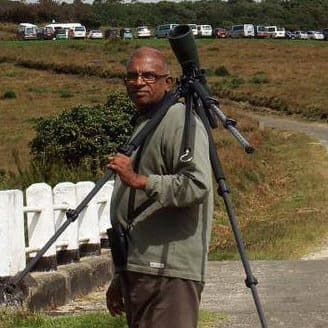
Advisor & Senior Wildlife Expert
Supurna Hettiarachchi ("Hetti")
A long-time guide in Sri Lankan wildlife tourism, credited on much of Wildscape's own wildlife photography.
Guided by Experience
Bird Watching with Hetti
Birding at Wildscape isn't a separate add-on service — it runs through the same guiding that shapes every wildlife tour here. Hetti's photography and route-planning already inform how these trips are built, and birding is where that shows most directly: knowing a habitat well enough to know where to look, and when.
In their own words, here's what one past guest — traveling specifically for birding — wrote about their trip with Hetti:
Original review — Polish
“Najlepszy birdwatcher na Sri Lance.”
“Z Hetti spędziliśmy pięć wspaniałych dni na Sri Lance. Interesował nas birdwatching i to był strzał w dziesiątkę, wybierając go jako przewodnika. Hetti to bardzo doświadczony birdwatcher, zarówno rozpoznawał głosy ptaków jak i potrafił je naśladować. Znał naturalne ich środowiska dzięki czemu udało nam się zrobić kilkaset niepowtarzalnych zdjęć endemicznych gatunków, ale nie tylko. Bez jego pomocy naprawdę byloby nam trudno. Podobał nam się jego stosunek do przyrody. Zawsze z dużym respektem i szacunkiem. Hetti doradzał nam w organizacji wyjazdu i nigdy nie żałowaliśmy naszych wyborów. To bardzo szlachetny człowiek, któremu można zaufać. Godny polecenia!!!”
English translation
“The best birdwatcher in Sri Lanka.”
“We spent five wonderful days in Sri Lanka with Hetti. We were interested in birdwatching, and choosing him as our guide was spot on. Hetti is a very experienced birdwatcher — he could both recognize bird calls and imitate them. He knew their natural habitats, which meant we managed to take several hundred unique photos of endemic species, and not only those. Without his help it really would have been difficult for us. We liked his attitude toward nature — always with great respect and reverence. Hetti advised us on organizing the trip, and we never regretted our choices. He is a very noble person who can be trusted. Highly recommended!!!”
The detail in that review — recognizing and imitating bird calls, knowing where a species was likely to be, and helping the couple photograph endemic species during their trip — reflects the same field experience behind every Wildscape wildlife tour, not a separate birding-only service.
What's Out There
What Can You See?
Sri Lanka's endemic birds are a major reason birdwatchers travel here, with forest species found nowhere else. What follows is a small sample of what Wildscape's own photography has captured — real sightings, not a species checklist.
Owls
Several owl species turn up across forest reserves and national parks, usually spotted roosting by day.
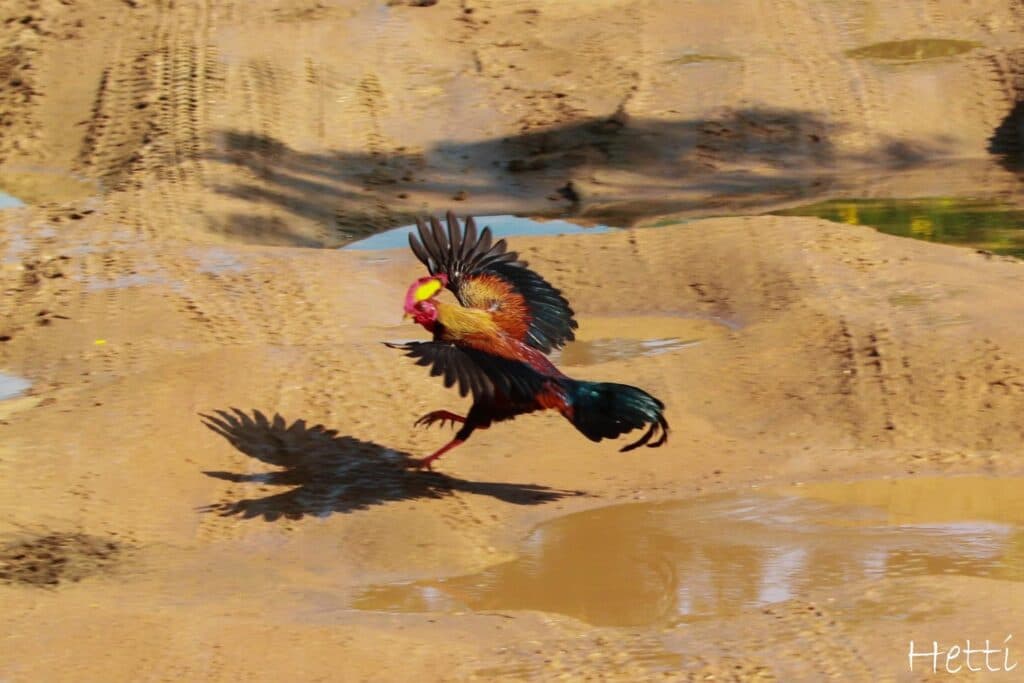
Sri Lanka Junglefowl
The national bird, found in forests and reserves across the island year-round.
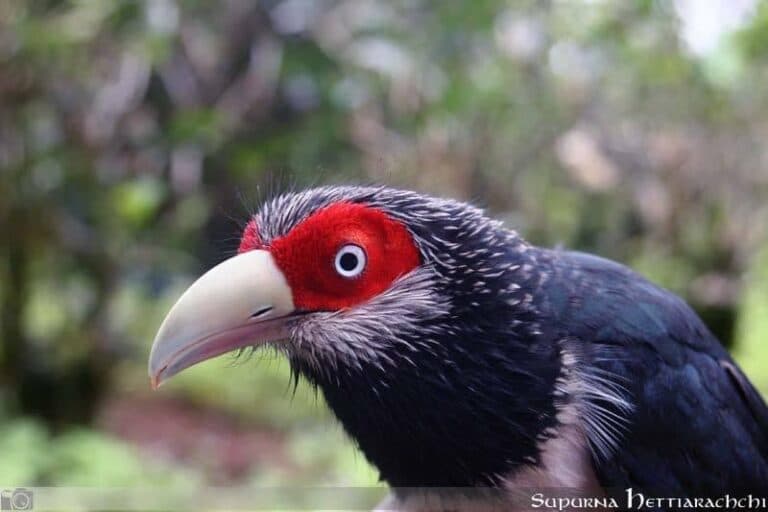
Hornbills
A striking, unmistakable forest bird, most often heard before it's seen.
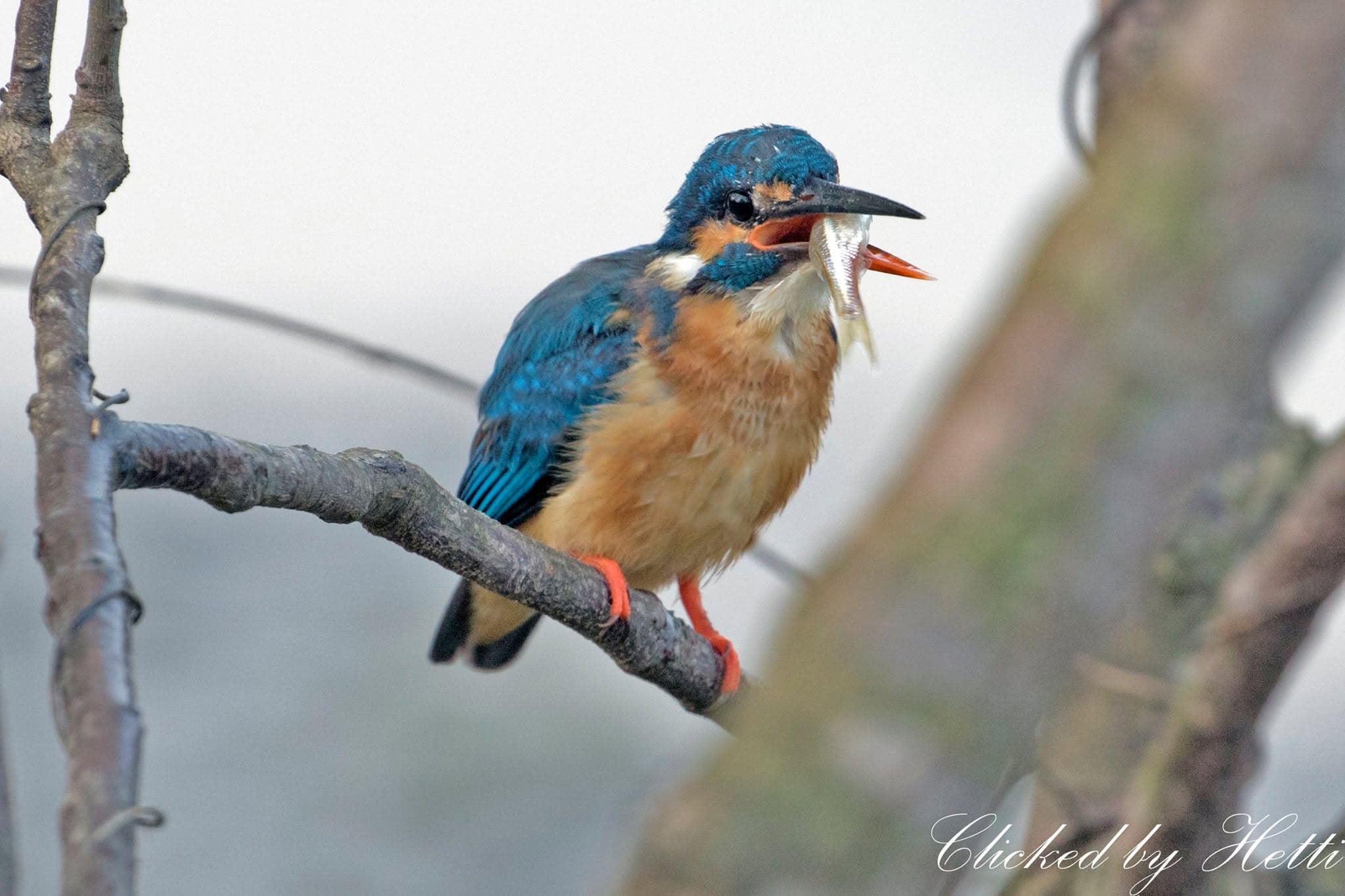
Kingfishers
Small, brightly colored, and a genuine highlight around rivers, lakes, and wetland edges.
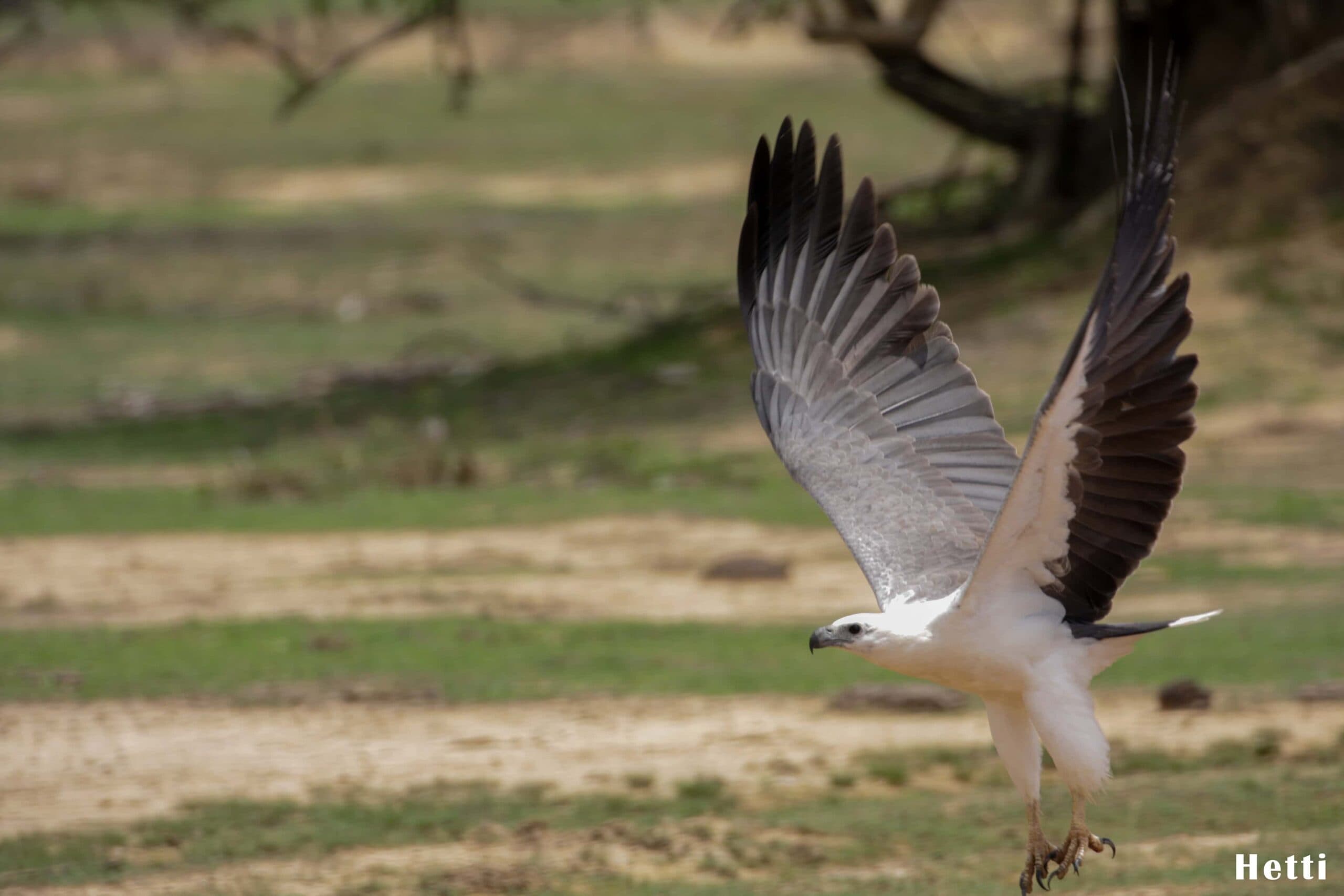
Sea Eagles & Raptors
Larger raptors work the open water and grassland edges of the dry-zone parks.
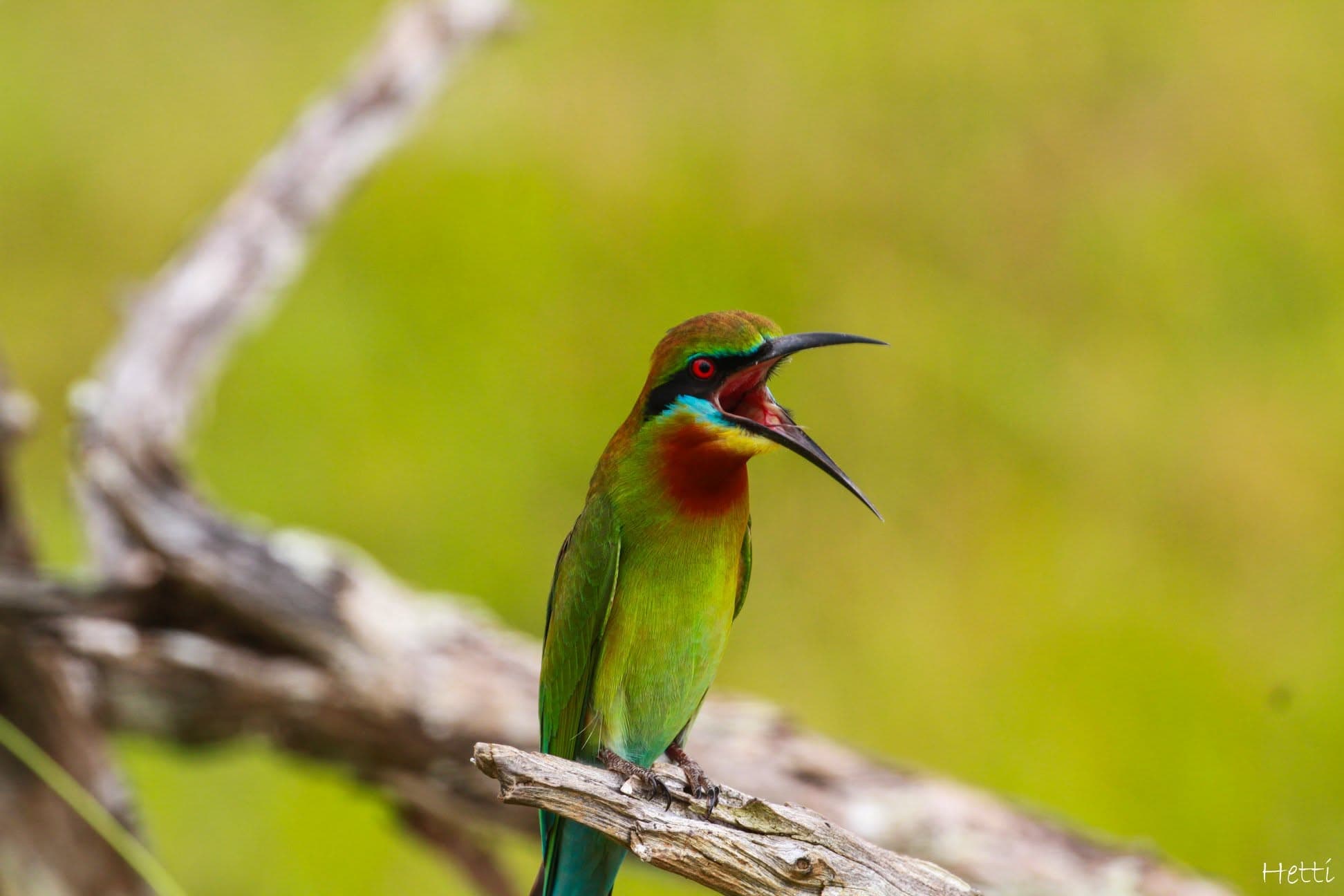
Bee-Eaters & Open-Country Birds
Smaller, vividly colored species that favor scrub and open ground in the dry zone.
Where To Go
Best Bird Watching Locations in Sri Lanka
Not every park is equally strong for birding — these are the reserves Wildscape's wildlife tours are actually built around.
Sinharaja
A UNESCO-listed rainforest reserve — a key site for seeing Sri Lanka's endemic forest birds.
Kitulgala
Wet-zone rainforest along the Kelani River, combining forest birding with its rafting.
Horton Plains
Montane cloud forest habitat, holding highland species the lowland parks don't.
Bundala
Coastal wetlands that draw migratory waders and waterbirds, particularly through the winter months.
Yala
Best known for leopards, but its mix of scrub, wetland, and coast supports genuine bird variety alongside the mammals.
Wilpattu
A dry-zone park with its own natural lakes (villus), drawing waterbirds alongside its wildlife.
Udawalawe
Open grassland and reservoir habitat, better known for elephants but genuinely productive for birding too.
Kumana
A dry-zone park built around a significant bird sanctuary and wetland habitat.
Timing
Best Time for Bird Watching in Sri Lanka
Sri Lanka's endemic species are generally resident, so they're typically present year-round — there's no single "closed season" for birding here the way there is in some destinations. Timing matters more for the migratory season: from around October through the winter months, migrant species arrive on the island, with January and February in particular seeing heightened activity.
Wetland sites like Bundala are often most rewarding during that migratory window, while forest reserves like Sinharaja and Kitulgala can be productive for resident endemics at any time of year. If a trip needs to combine birding with other activities that have their own seasons — whale watching or highland trekking, for example — that's worked out as part of planning the wider itinerary.
Photography-Minded Guiding
Bird Photography
Birds move fast and light windows are short, so photography-minded guiding is less about the camera and more about positioning, timing, and patience — knowing where a species is likely to perch or feed, and being ready before it does. That's the same approach Wildscape's wildlife photography guiding already applies more broadly, with Hetti's own photography informing how these trips are paced.
Planning
How Long Should a Birding Trip Be?
1–2 days. A short birding addition to a wider trip — enough to visit one strong site like Sinharaja or Kitulgala and get a genuine feel for Sri Lanka's birdlife without reshaping the whole itinerary around it.
Around 5 days. A more focused birding itinerary covering several habitat types, similar in scope to the published Birdwatching Expedition itinerary — rainforest, wetland, and montane cloud forest in one trip, rather than one park repeated.
Longer itineraries. More time to properly combine wet-zone and dry-zone habitats. We don't promise a fixed species count, guaranteed sightings, or guaranteed photography results for any length of trip — sightings depend on season, weather, habitat, and a certain amount of luck — but a longer, more varied itinerary genuinely does improve the odds.
Beyond the Birds
Combining Birding With Wildlife and Culture
Wildscape isn't only a birding company, and a birding trip doesn't need to be a separate holiday. Sinharaja and Kitulgala sit within reach of the Cultural Triangle, and every dry-zone birding park is also a wildlife safari destination in its own right — a birding morning can lead directly into a leopard or elephant safari the same day. Cultural stops fit naturally too, through our Cultural & Heritage Tours.
Built Around You
Tailor-Made Bird Watching Tours
Rather than a fixed departure, a Wildscape birding trip is shaped around your target species or habitats, whether photography is a priority, your travel dates, pace, and accommodation, and how it fits into the rest of your Sri Lanka itinerary. Our tailor-made planning process starts with exactly those questions.
Plan Your Sri Lanka Bird Watching Tour
Tell us which species or habitats you're hoping to see, and roughly when you're traveling, and we'll shape a route around it.