Wildscape Sri Lanka
Wildlife Photography Tips: How to Capture Stunning Shots in the Wild
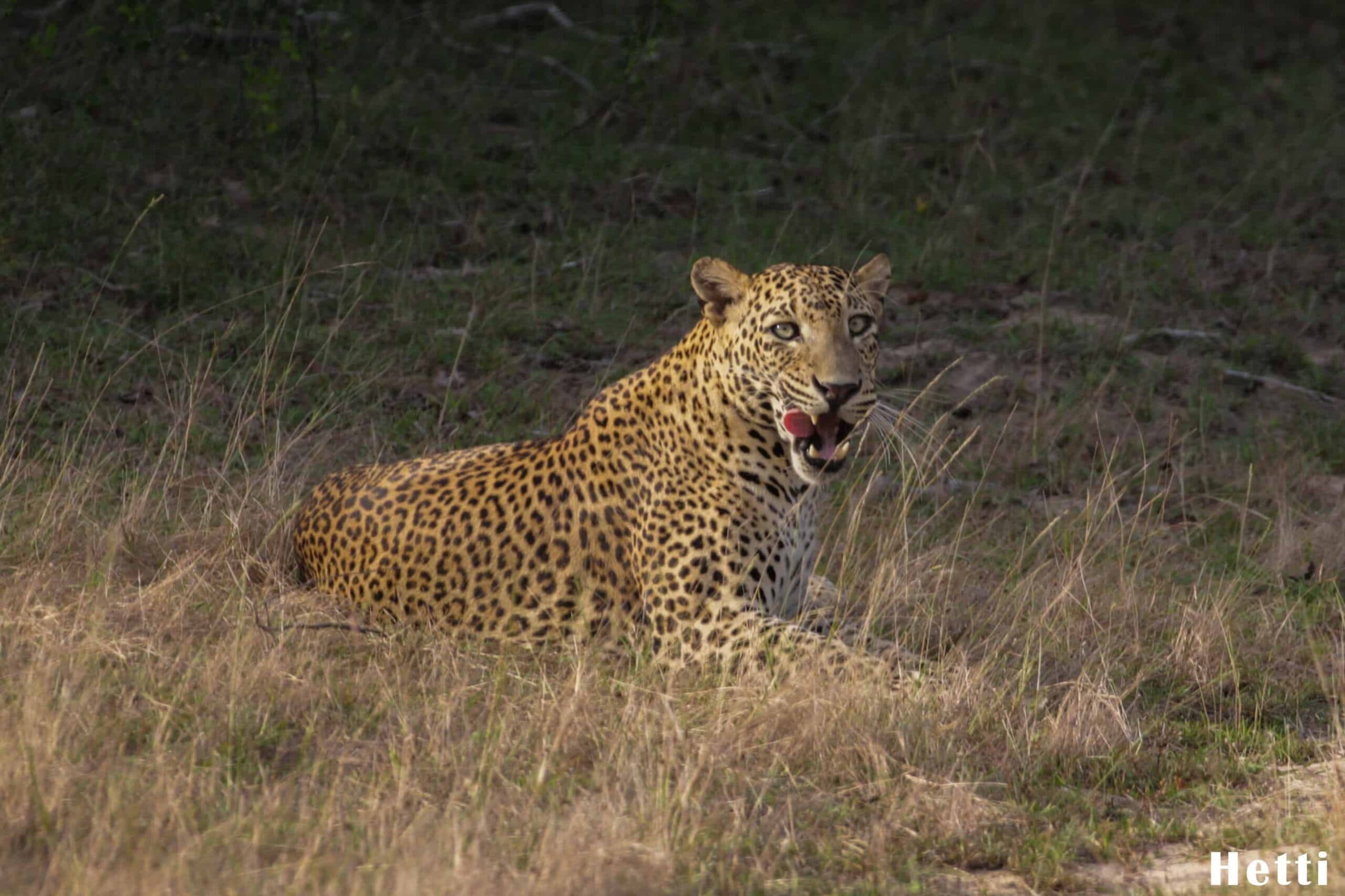
Wildlife photography rewards patience and preparation more than expensive equipment. Whether you're photographing leopards in Yala National Park or elephants in Udawalawe, a few core techniques make the difference between a missed moment and a shot worth keeping.
Know Your Subject
Understanding an animal's behavior comes first. Leopards are typically most active in the early morning and late afternoon; elephants are often found near water sources during the dry season. Reading up on the park you're visiting before you arrive helps you anticipate movement rather than react to it.
Use the Right Gear
A telephoto lens (200mm or longer) matters more than the camera body for close-up shots without disturbing the animal. A wide-angle lens is worth carrying too, for shots that place the animal in its landscape. Extra batteries and memory cards are non-negotiable — wildlife photography is unpredictable, and equipment failure at the wrong moment is entirely avoidable.
Patience Is Key
Wildlife doesn't work to a schedule. Capturing a genuinely rare moment — a hunt, a river crossing — can mean a long wait. Come prepared to sit still.
Use Natural Light
Early morning and late afternoon ("golden hour") light is the most forgiving for wildlife photography — soft and directional, rather than the flat, harsh light of midday.
Shoot in Burst Mode
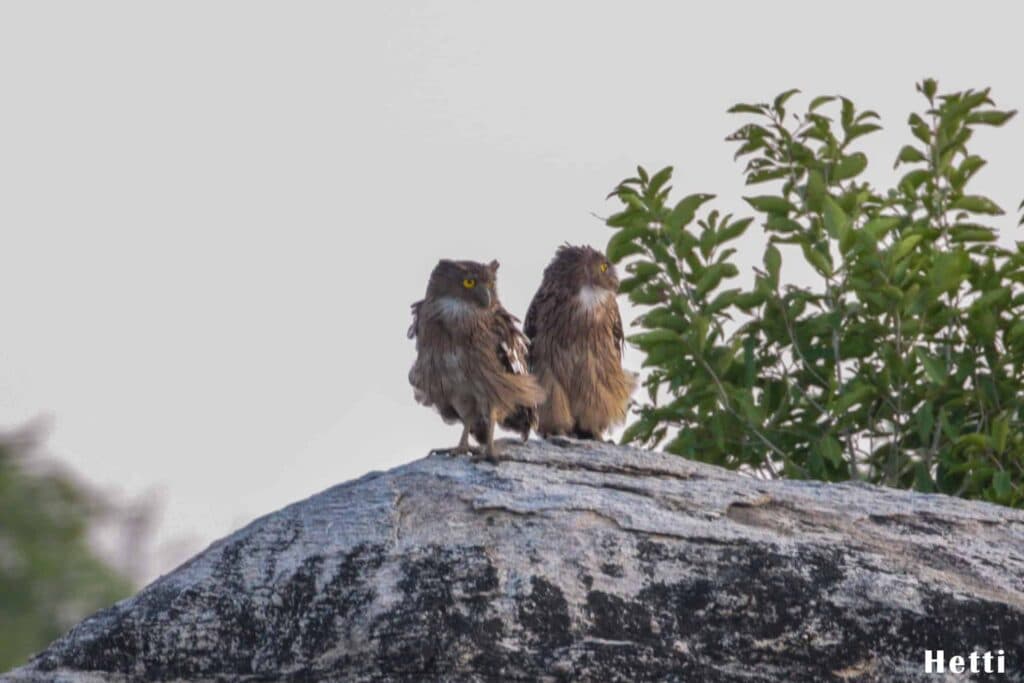
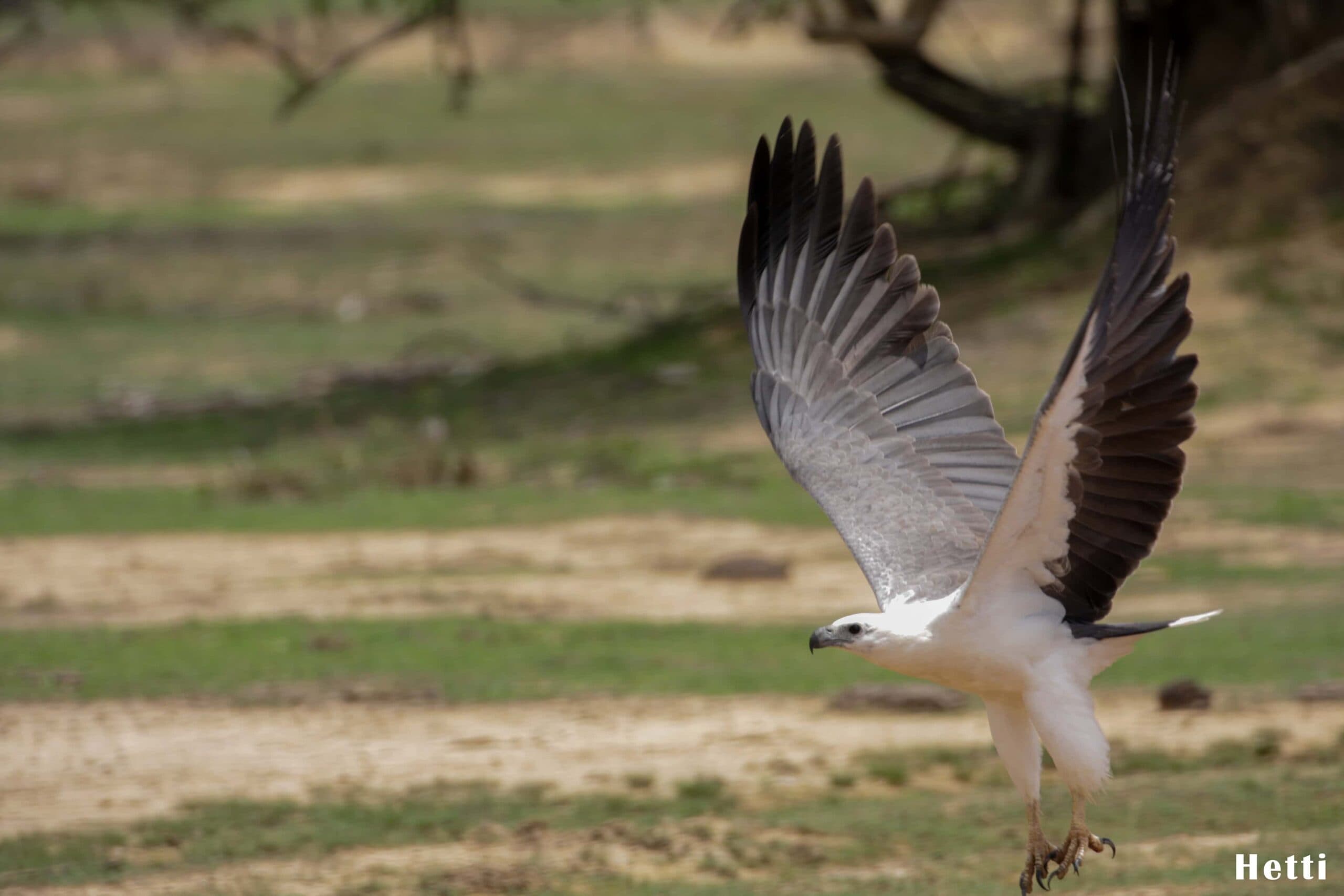
Fast-moving subjects — birds in flight, a leopard on the move — are easiest to capture with burst mode, which gives you several frames to choose the sharpest from.
Focus on the Eyes
Sharp eyes carry an image even when the rest of the frame isn't perfectly in focus — they're what create the sense of connection with the animal.
Respect the Wildlife
Keep a safe distance, avoid loud noise, and never feed animals for a better shot. A long telephoto lens exists precisely so you don't have to get closer than the animal is comfortable with.
Incorporate the Surroundings
Close-up portraits are compelling, but a wider shot — an elephant framed against green forest, a leopard resting in a tree — tells a fuller story about habitat.
Keep Shooting
Wildlife photography is a skill built through repetition. Early shots rarely match what you're capable of after a few days in the field.
Photographing With Local Guidance
A wildlife tour built around photography benefits from guides who understand not just where animals are, but how to position for the shot without disturbing them. Get in touch to plan a photography-focused trip.