Wildscape Sri Lanka
Sustainable Tourism in Sri Lanka: Protecting Paradise for Future Generations

Sri Lanka's biodiversity and rising visitor numbers make sustainable tourism practices genuinely important, not just a marketing phrase. Here's what that looks like in practice, and how it shapes the way we run tours.
Understanding Sustainable Tourism
Sustainable tourism means travel that limits environmental impact while contributing positively to the communities a trip passes through — balancing conservation, community engagement, and cultural preservation with a genuinely enriching experience for the traveler.
Conservation of Biodiversity
Sri Lanka holds species found nowhere else on Earth. Visiting parks like Yala and Udawalawe through responsible operators supports the habitat conservation that protects them — park entry fees typically go toward the conservation work that maintains these ecosystems.
Community-Based Tourism
Engaging local guides, staying in community-run accommodation, and taking part in cultural experiences channels tourism spending directly into the communities a trip visits, rather than around them.
Responsible Wildlife Tourism
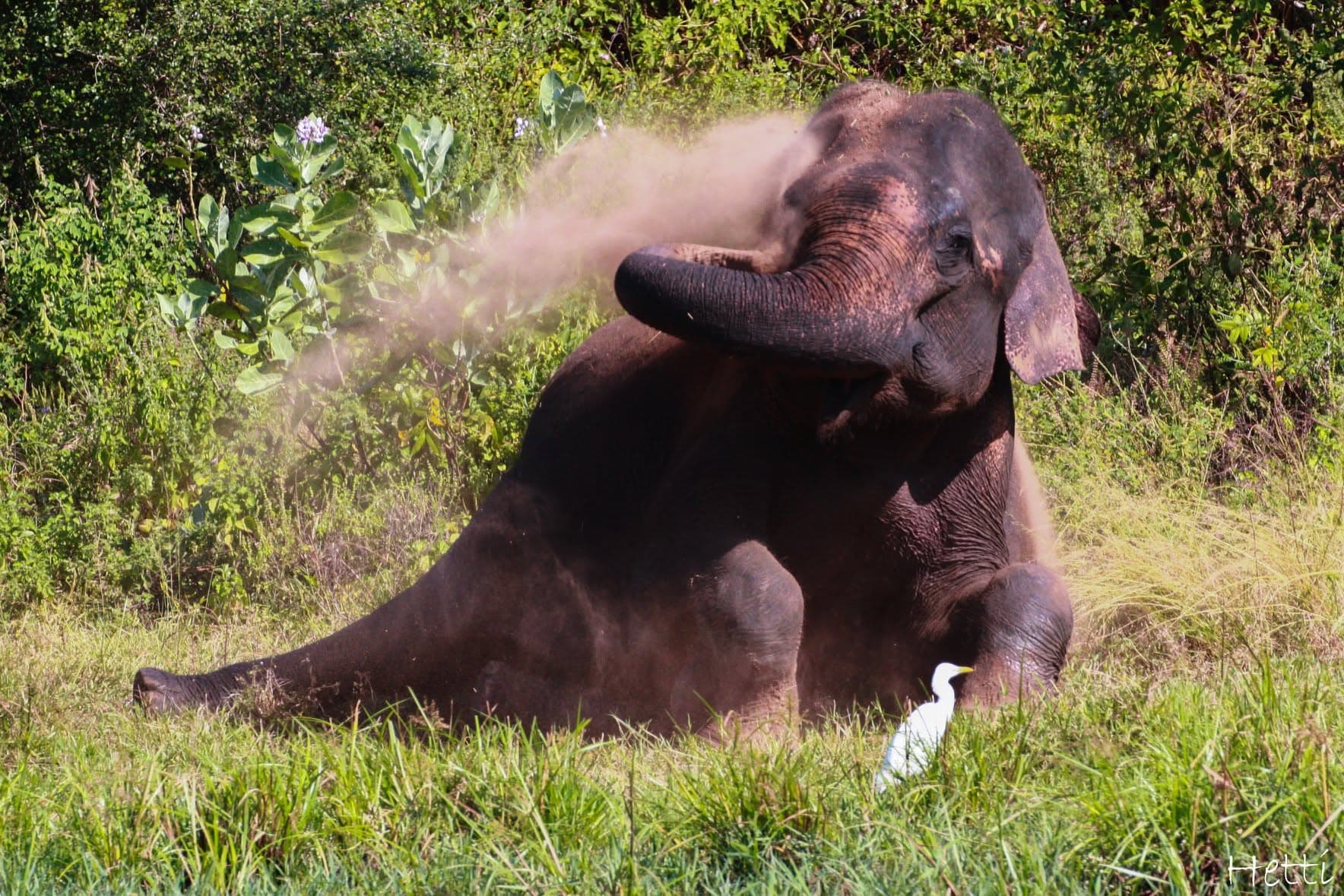
Not every wildlife experience is a good one for the wildlife. Riding elephants and visiting poorly managed animal attractions are worth avoiding; ethical safaris with guides who understand and respect wildlife habitats are the better alternative.
Eco-Friendly Practices
More Sri Lankan accommodations and operators are adopting solar power, reduced plastic use, and recycling. Travelers can add to this with small habits of their own — a reusable water bottle, avoiding single-use plastics, and leaving no trace while exploring.
Cultural Preservation
Participating in cultural experiences — a traditional cooking class, a village visit — supports the preservation of local traditions while giving travelers real insight into daily life in Sri Lanka.
Supporting Local Economies
Buying handcrafted goods, eating at local restaurants, and hiring local guides all put tourism spending directly into local hands rather than external supply chains.
Traveling Sustainably
If sustainable practice matters to how you travel, it's worth raising directly when planning a trip — from the parks and operators you choose to the accommodation style you prefer.