Wildscape Sri Lanka
Beyond Leopards and Elephants: Smaller Wildlife Worth Watching For in Sri Lanka
Leopards and elephants understandably dominate most Sri Lanka wildlife conversations, and for good reason. But a lot of what makes a safari or a forest walk genuinely interesting happens at a smaller scale — the animal that crosses the track in front of the jeep, the troop that watches you back from a hillside, or the plant that turns out to be carnivorous once you look closely. Here's some of the smaller wildlife worth keeping an eye out for.
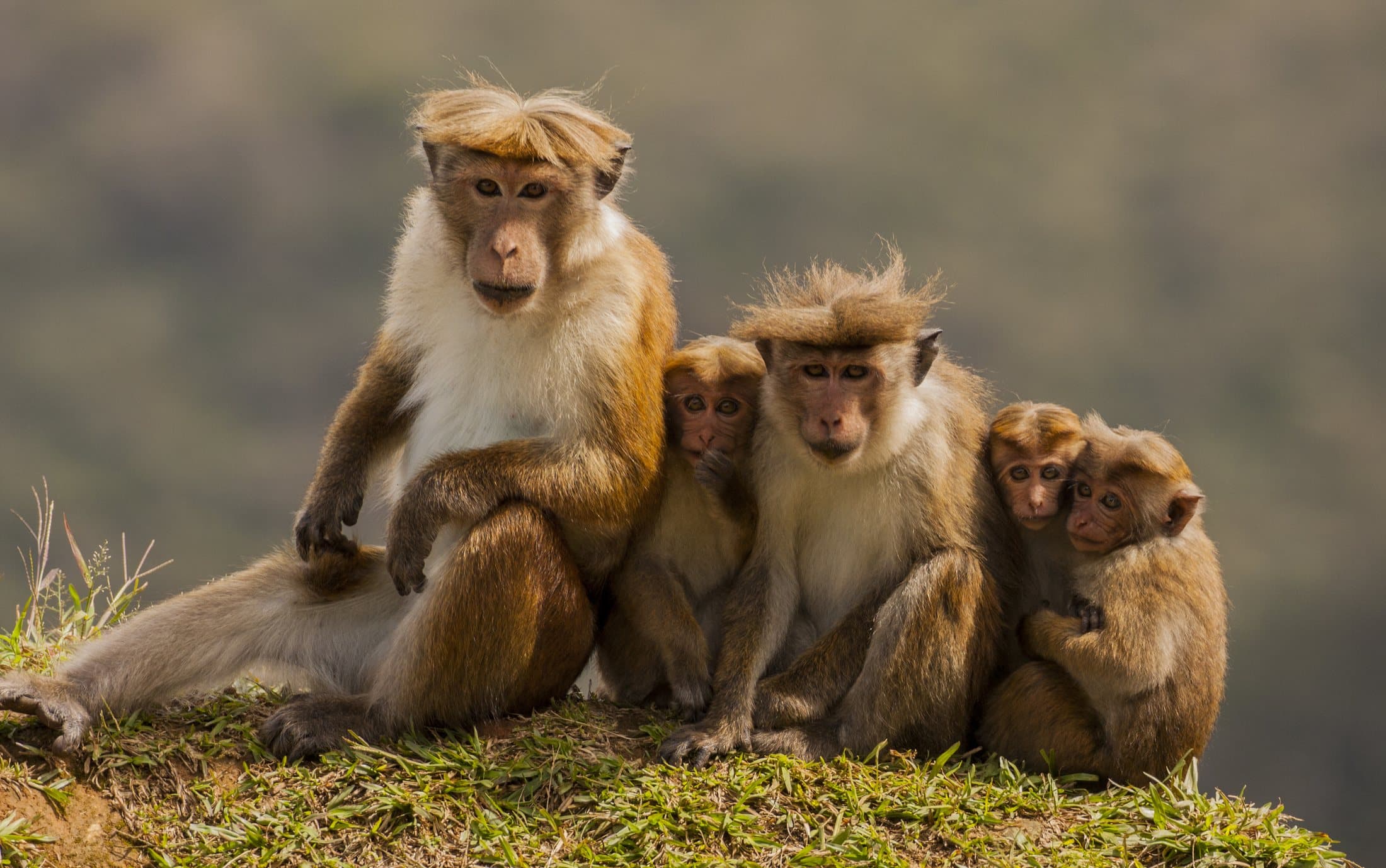
Toque Macaques
Sri Lanka's endemic monkey species, found across forests, ruins, and hill country alike. They're highly social, usually seen in family troops rather than alone, and their reddish "cap" of hair (the feature that gives them their name) is distinctive once you know to look for it. A troop with infants, like the one below, is a common and genuinely charming sighting in the hill country.
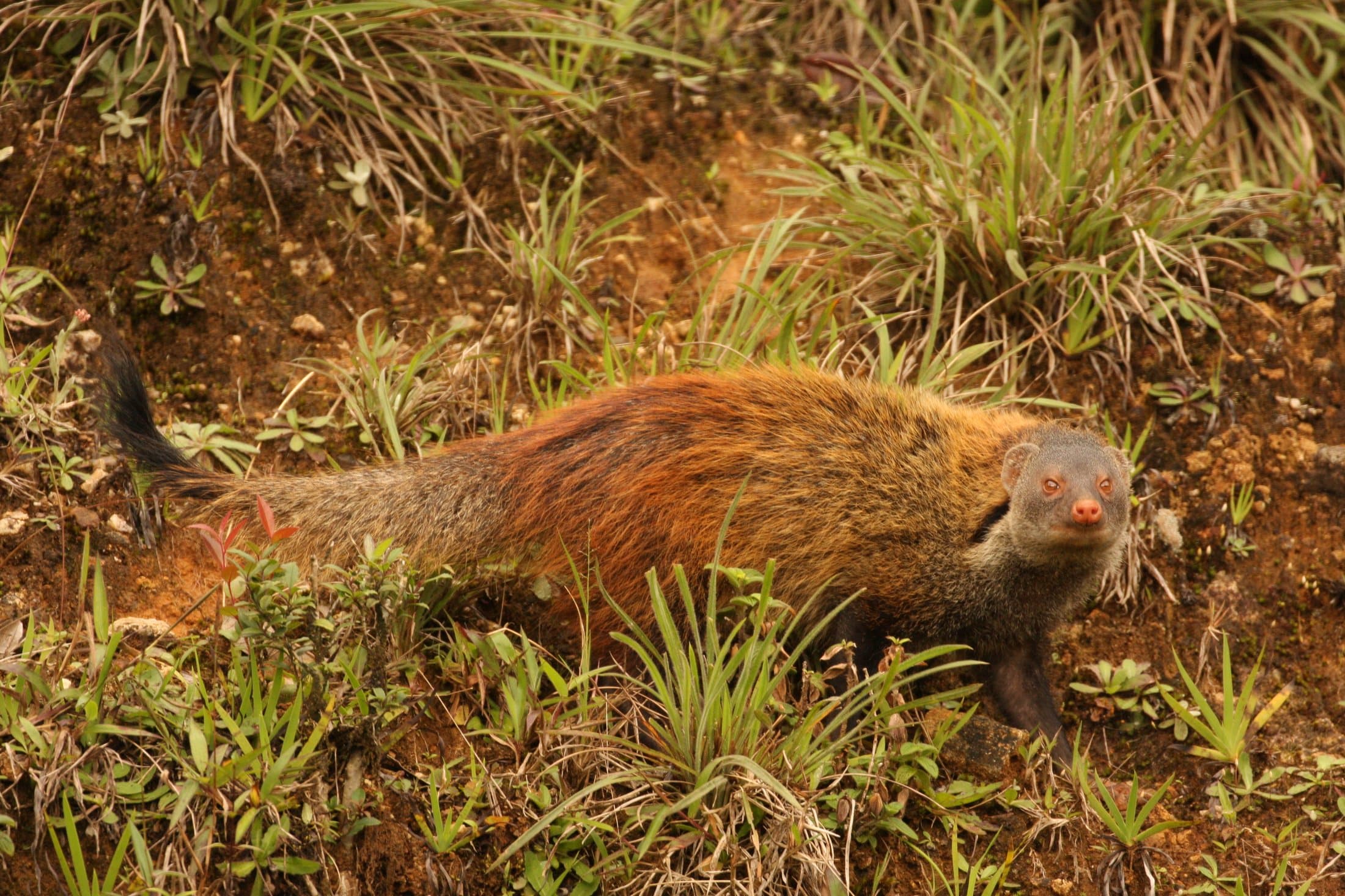
Mongooses
Sri Lanka is home to several mongoose species, generally seen moving quickly through grassland or scrub — low to the ground, alert, and rarely still for long. They're genuinely common in the dry-zone parks, but their speed means a clear sighting (let alone a photo) takes a bit of luck and a patient guide who knows where to look.
Giant Squirrels
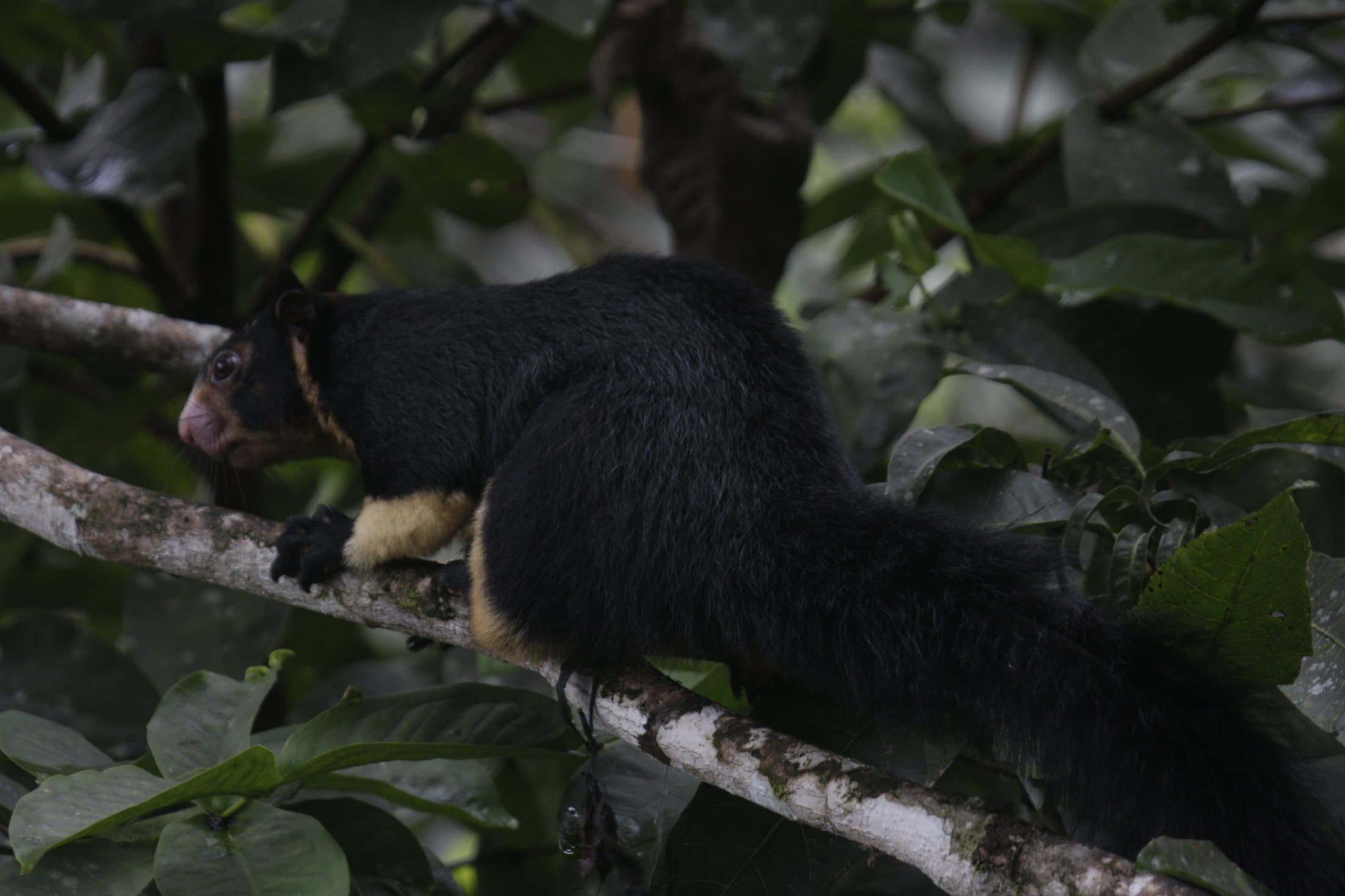
The Sri Lankan giant squirrel lives up to its name — considerably larger than the squirrels most visitors are used to, with a long, bushy tail and dark coloring that can make it surprisingly hard to spot against tree bark until it moves. They're most often seen in forest canopy, including Sinharaja and other wet-zone reserves.
Pitcher Plants
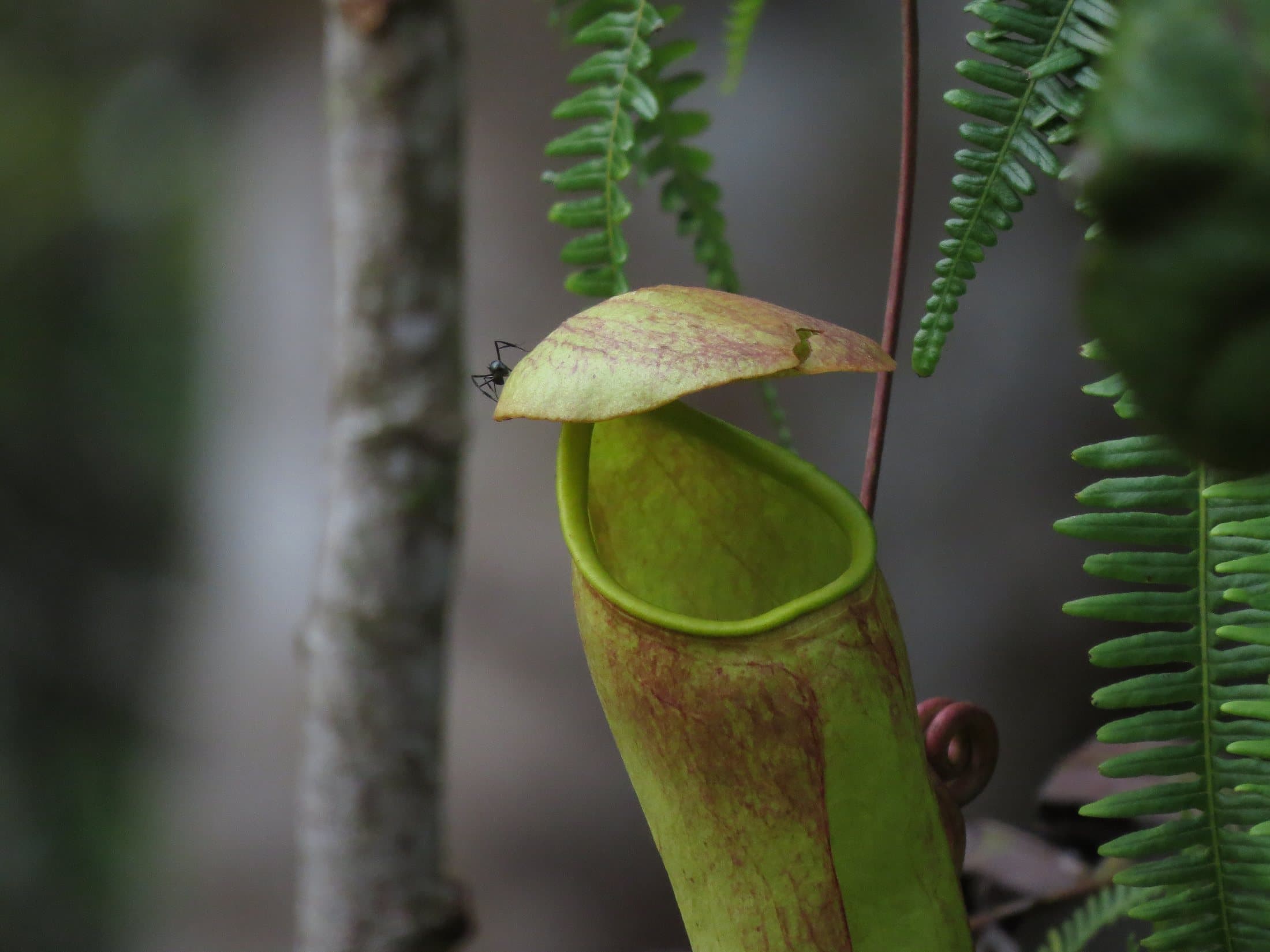
This one surprises most visitors: Sri Lanka has its own native pitcher plant, a carnivorous species that traps insects in a fluid-filled pitcher formed from a modified leaf tip. They grow low in rainforest and forest-edge habitat, easy to miss unless a guide points one out. Seeing one is a reminder that Sri Lanka's biodiversity isn't only about the animals that make headlines.
Freshwater Turtles
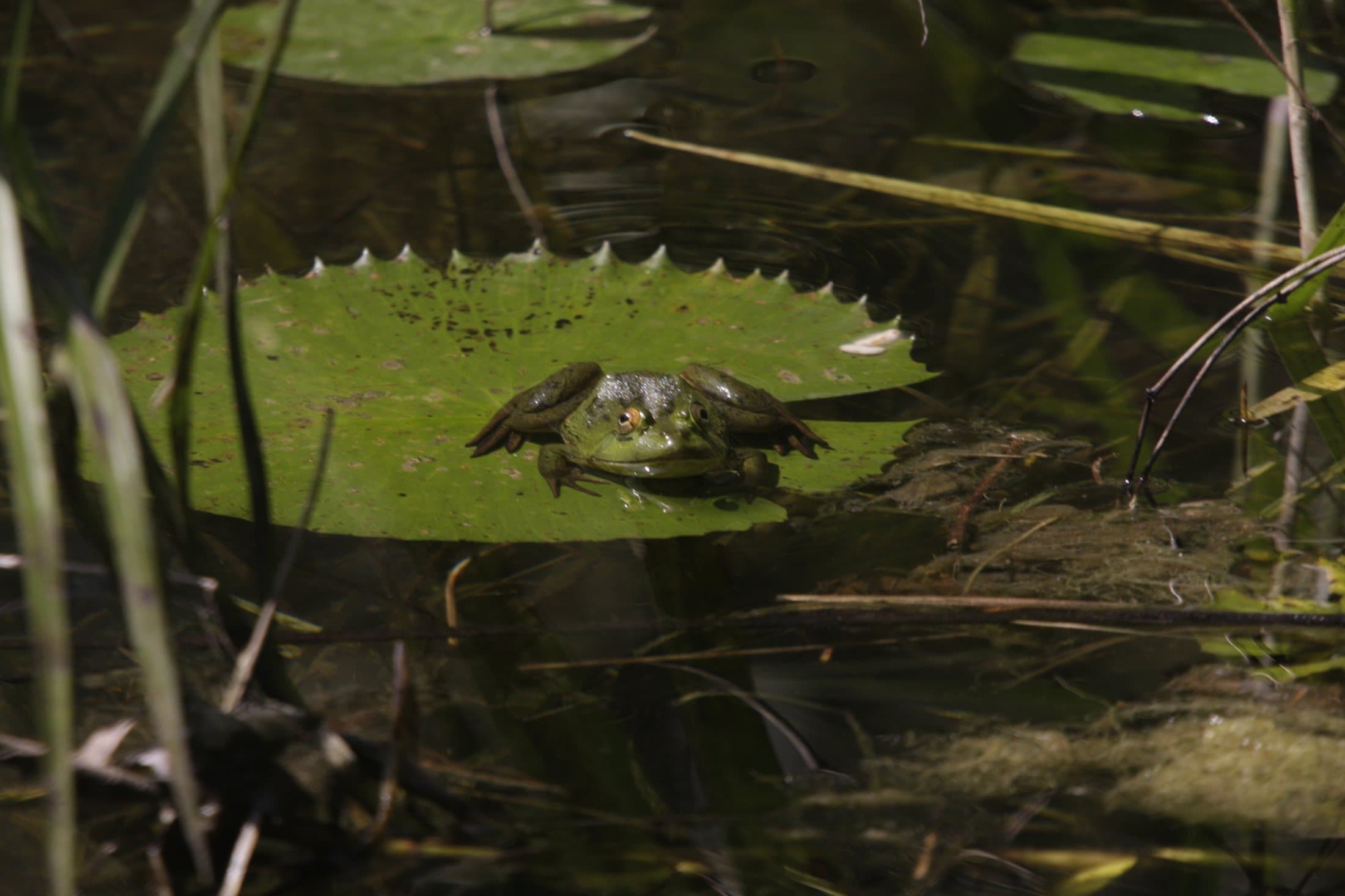
Sri Lanka's lakes, tanks, and slow-moving rivers hold several freshwater turtle species, often seen basking on logs or lily pads before slipping underwater at the first sign of movement nearby. They're a small but satisfying addition to a wetland-focused morning, alongside the herons, kingfishers, and other birdlife that share the same habitat.
Stick Insects
Among the more rewarding finds for anyone who enjoys a slower-paced forest walk: stick insects camouflage so well against bark and branches that most visitors walk straight past them. Spotting one is less about luck and more about a guide trained to notice shapes that don't quite belong.
A Closer Look at an Elephant
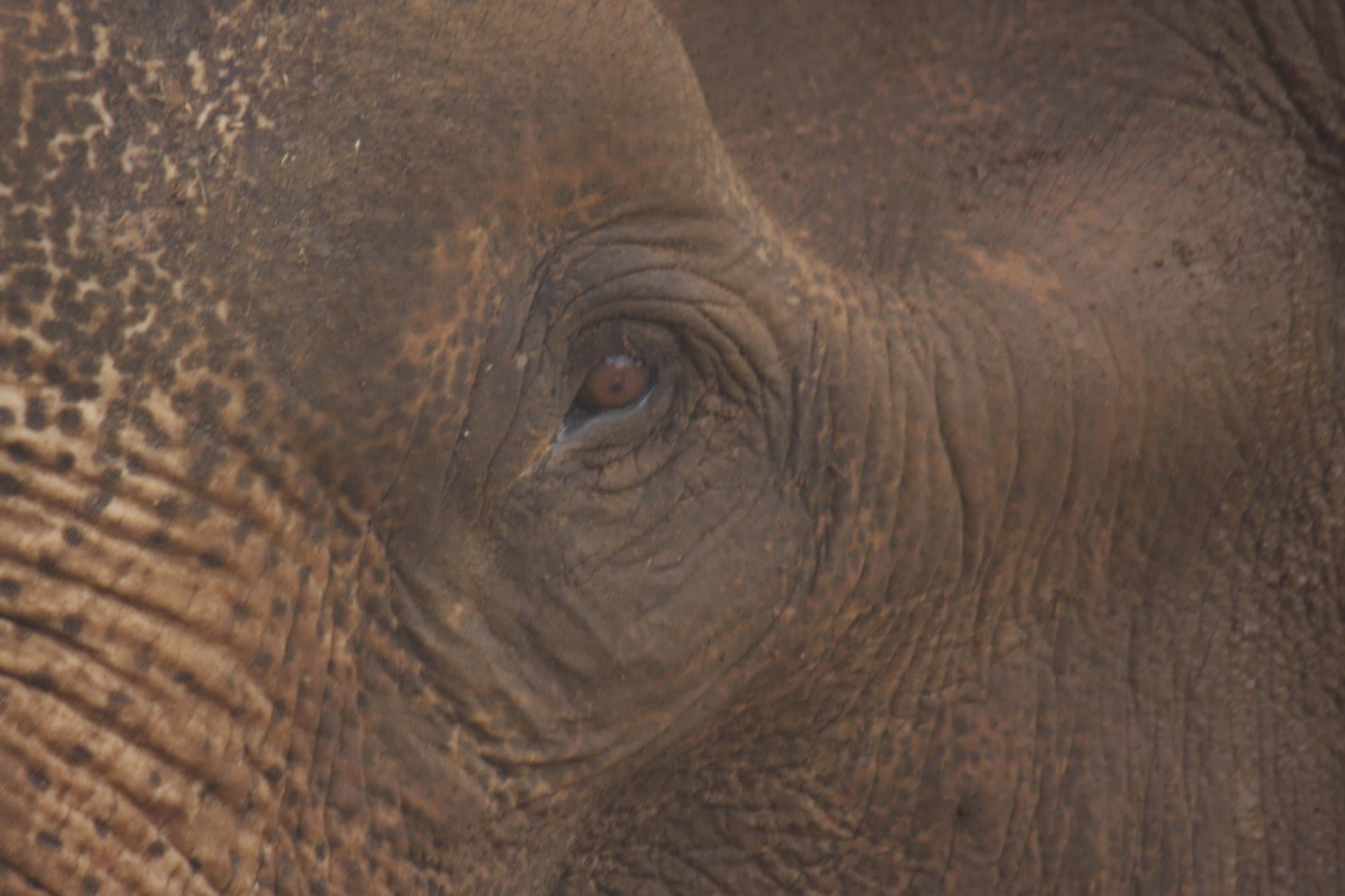
Not every elephant encounter needs to be a wide shot of a herd at a waterhole. Getting close enough — safely, and with an experienced guide reading the animal's mood — to see the texture of the skin and the detail around the eye is its own kind of wildlife experience, different from a distant sighting but no less memorable.
Why the Smaller Sightings Matter
A trip built entirely around headline species can end up feeling like a checklist. Slowing down for the smaller things — a mongoose crossing the road, a troop of macaques on a hillside, a pitcher plant at knee height — tends to be what people actually remember and talk about afterward. It's also simply a more accurate picture of what a Sri Lankan forest or national park is actually like day to day, alongside the leopards and elephants most visitors come looking for first.
Where to Look
None of this requires a separate trip. Toque macaques and giant squirrels turn up in the same hill-country and rainforest areas covered by a wildlife safari, mongooses and turtles share the dry-zone parks and wetlands already on most itineraries, and pitcher plants and stick insects are a Sinharaja-style rainforest specialty. Get in touch and tell us if any of this is a particular interest, and it can be worked into the pace and route of your trip.